How to Choose Your First Drone: A Step-by-Step Guide
FPV or cinematic, beginner or experienced: a step-by-step guide to picking the right first drone, from speed and camera to safety and controllers.
Buying your first drone can feel overwhelming. FPV, cinematic, beginner, pro — what does it all mean? This guide walks you through every decision, one step at a time.
Step 1: Decide What You Want to Do
Ask yourself: Do I want to fly for fun, or film beautiful footage?
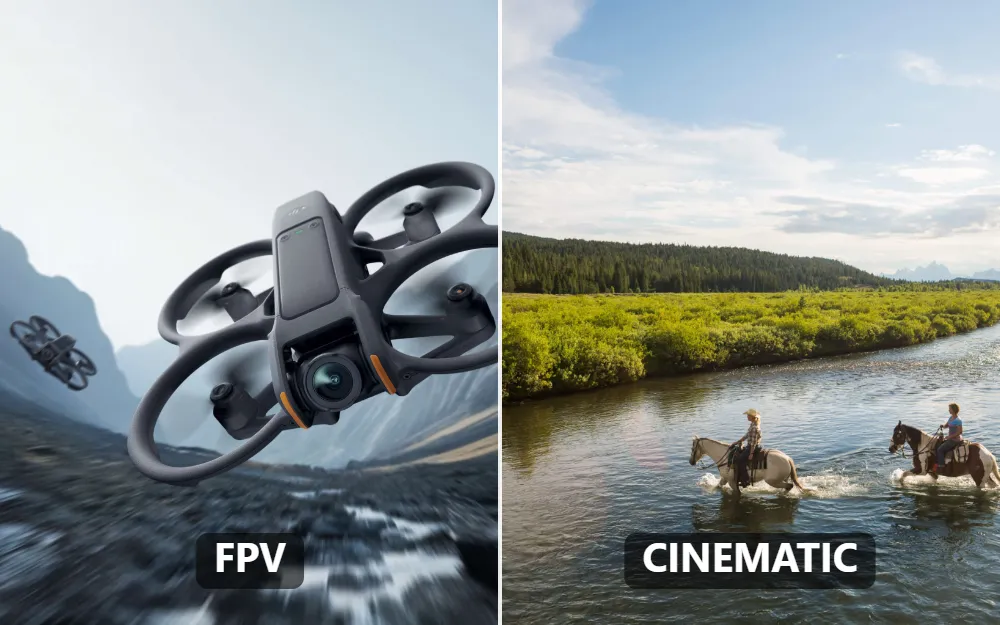
- FPV (First-Person View): You wear goggles and fly like you're in the cockpit. Fast, immersive, thrilling. Great for indoor flying and freestyle.
- Cinematic: You want smooth, stable, high-quality video. Great for travel, landscapes, and vlogs.
- Both: Some drones can do both — like the DJI Neo with the right accessories.
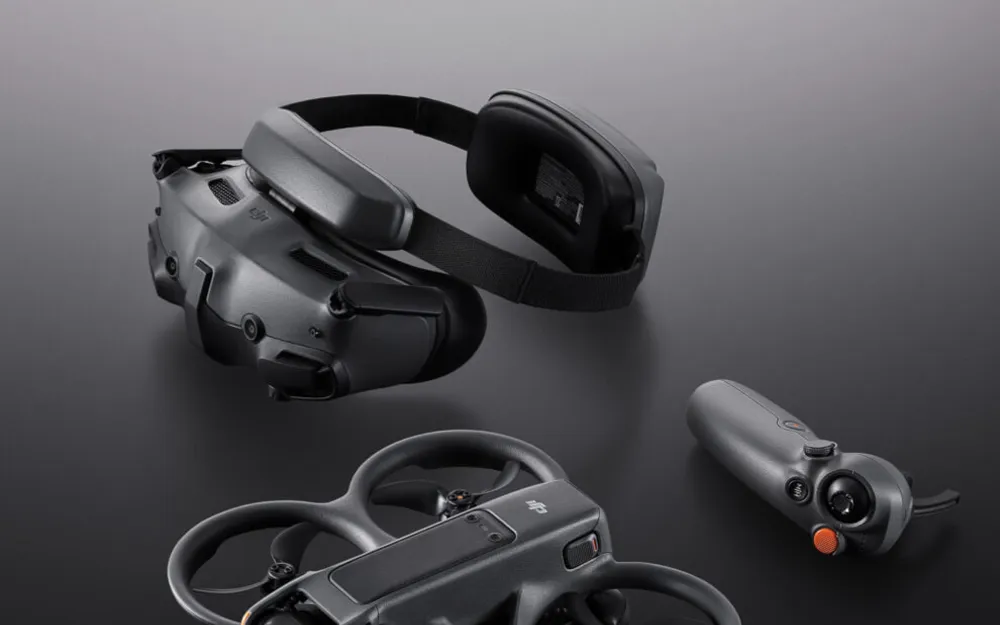
FPV: drone, goggles and motion controller (DJI Avata 2) · Image: DJI

Cinematic: smooth, stable aerial footage (DJI Mini 4 Pro) · Image: DJI
Step 2: Match the Drone to Your Experience Level
- Total beginner: Look for palm takeoff, automatic shots, and propeller guards. The DJI Neo is the easiest starting point.
- Some experience: You want better camera quality, longer flight time, and more speed. The DJI Mini 4 Pro or Lito series are great next steps.
- Ready for FPV: You want goggles, a motion controller, and serious speed. The DJI Avata 2 is a dedicated FPV drone built for agile, fast flight.
Step 3: Consider Speed and Performance
Speed matters depending on your goals. Here are the Sport mode speeds for every drone in this guide:
- DJI Neo: Max horizontal speed of 28.8 km/h in Sport mode.
- DJI Mini 4 Pro: Max horizontal speed of 57.6 km/h in Sport mode.
- DJI Lito Series (Lito 1 & Lito X1): Max horizontal speed of 64.8 km/h in Sport mode.
- DJI Avata 2: Max horizontal speed of 57.6 km/h in Sport mode, and up to 97.2 km/h in Manual mode for experienced FPV pilots.
Step 4: Camera and Video Quality
- Beginner: 4K/30fps is plenty. Neo delivers this.
- Intermediate: Look for 4K/60fps, HDR, and larger sensors. Mini 4 Pro and Lito X1 offer this.
- Advanced: 10-bit D-Log M, 8K, and adjustable aperture. Lito X1 and higher-end models.
Step 5: Flight Time and Range
- DJI Neo: 12–14 minutes of flight time.
- Mini 4 Pro and Lito series: 30+ minutes.
- FPV range: Depends on goggles and controller. The Avata 2 and Neo FPV Combo work well for close-range immersion.
Step 6: Safety Features
- Obstacle avoidance: Mini 4 Pro and Lito series have omnidirectional sensing.
- LiDAR: Some advanced drones use LiDAR (Light Detection and Ranging) for highly precise obstacle detection and terrain mapping. It's a step up from standard sensors.
- Propeller guards: Neo has full guards — safe indoors and around people.
- Return-to-home: Essential for beginners. Most modern DJI drones include it.
Step 7: Controller and Goggles
- Phone only: Neo can fly with just your phone.
- Standard controller or RC2 controller: Mini 4 Pro and Lito series come with either the standard controller or the RC2 controller. The RC2 has a built-in screen.
- FPV goggles: Needed for immersive flight. DJI Goggles N3 + Motion 3 work with Neo, and the Avata 2 comes with its own FPV setup.
Step 8: Budget and Accessories
Think about extra batteries, carrying cases, and protection. DroneZoneLB.com stocks accessories like camera protection, roll cages, landing gear, and AirTag mounts.
Step 9: Where to Buy
Choose a trusted local seller who can support you after the purchase. DroneZoneLB.com offers the drones and accessories mentioned in this guide.
Shop DJI drones and accessories in Lebanon
Drone Zone delivers DJI drones and accessories across Lebanon, with orders confirmed on WhatsApp. Browse all DJI drones for sale or pick your model: