Every DJI Drone Explained: A Complete Guide to Choosing Your Perfect Model
From the palm-sized Neo to the flagship Mavic 4 Pro: key specs, who each DJI drone suits, and the downsides to know before you buy.
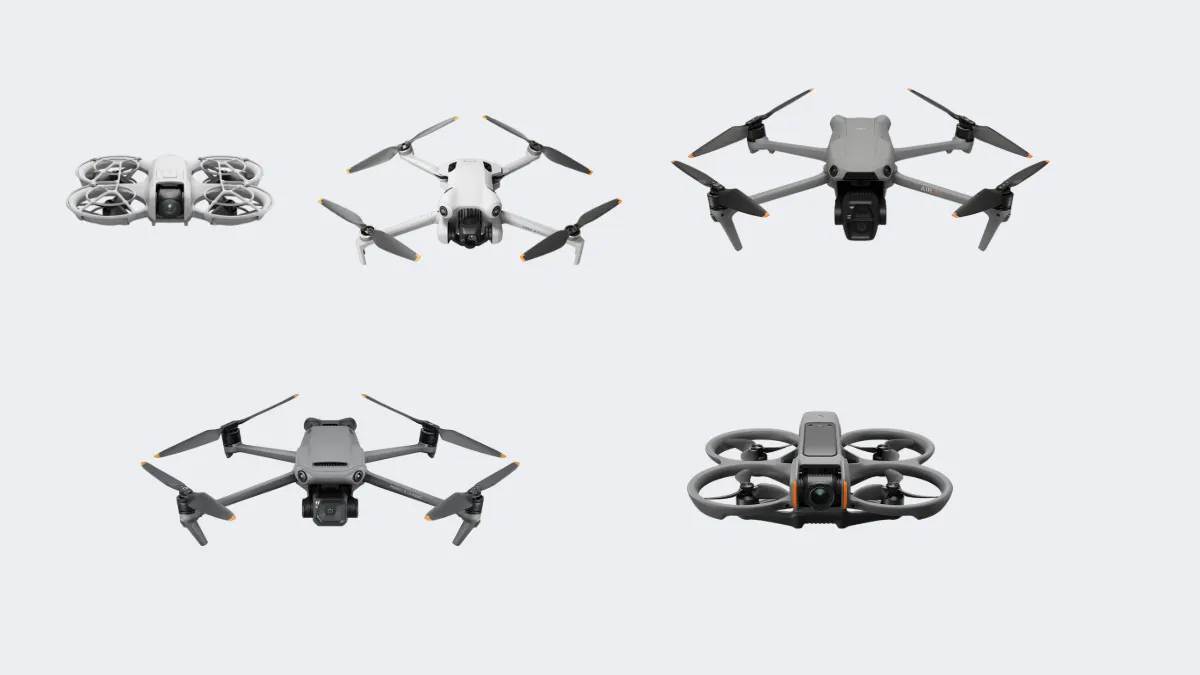
At DroneZoneLB.com, we carry a wide range of DJI drones — from palm-sized beginner drones to professional dual-camera and flagship models. But with so many options available, it can be difficult to know which drone is right for you.
This guide breaks down every DJI drone in our range, including the key features, who each model is best suited for, and the potential downsides you should know before buying.
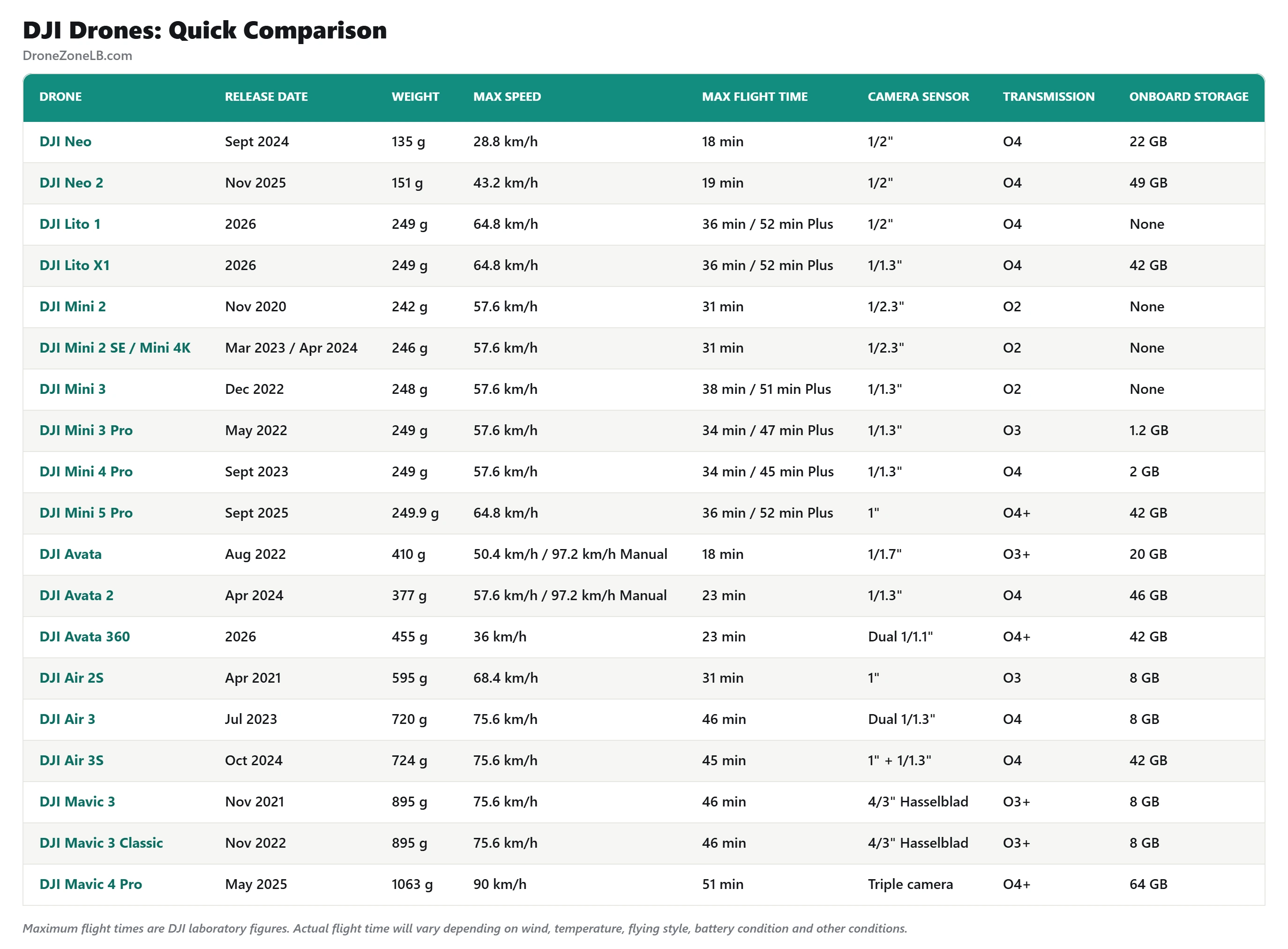
Quick Comparison Table
DJI Neo: The Beginner's Best Friend
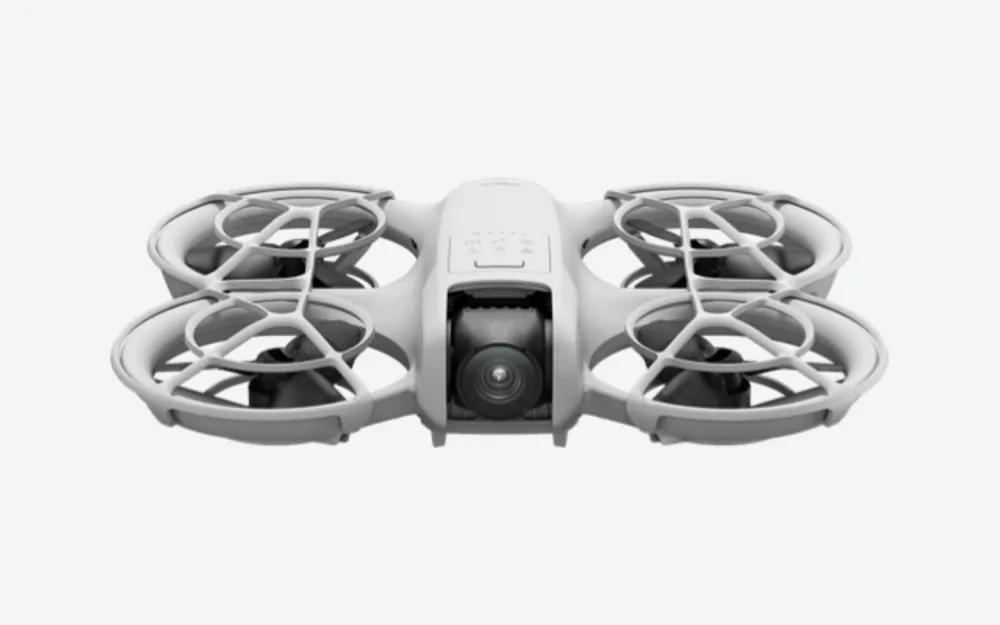
DJI Neo · Image: DJI
The DJI Neo is DJI's simplest and most accessible camera drone. At just 135 g, it can take off and land from your palm and can be flown without a traditional remote controller.
Its built-in propeller guards and automated flight modes make it particularly appealing to beginners and casual users.
Key Features
- Weight: 135 g
- Max Speed: 28.8 km/h in Sport mode
- Flight Time: Up to 18 minutes
- Camera: 1/2-inch CMOS, 12 MP
- Video: Up to 4K/30fps
- Gimbal: Single-axis mechanical
- Transmission: O4
- Internal Storage: 22 GB
- Obstacle Avoidance: No
- Wind Resistance: Level 4
- Palm Takeoff and Landing: Yes
- QuickShots: Yes
- Subject Tracking: Yes
- MicroSD: No
Who it's for: Total beginners, casual users and creators who want an extremely simple drone that can take off from their hand.
Potential Downsides to Consider
- Wind sensitivity — the lightweight body can struggle in gusty conditions.
- Short battery life — real-world flight time can be considerably lower than the 18-minute maximum.
- No microSD slot — footage is stored in the 22 GB internal memory.
- No conventional obstacle avoidance.
- Noisy compared with traditional Mini drones.
- Limited range with phone control compared with using a dedicated DJI remote controller.
DJI Neo 2: The Improved Selfie Drone
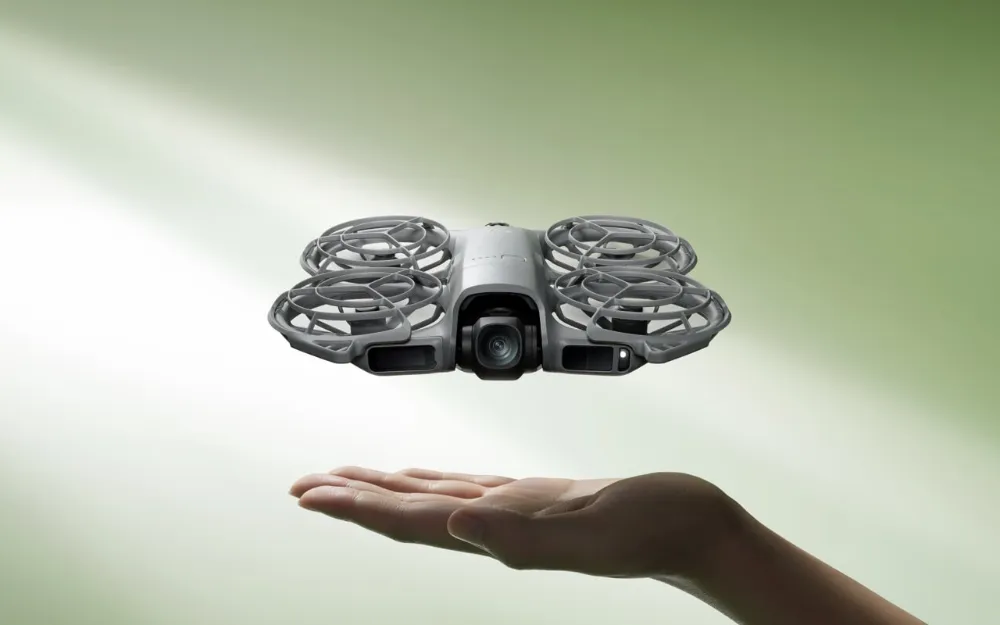
DJI Neo 2 · Image: DJI
The DJI Neo 2 takes the original Neo concept and adds significant upgrades while remaining extremely compact.
It is faster, has more internal storage, improved stabilization, better tracking and omnidirectional obstacle sensing.
Key Features
- Weight: 151 g
- Max Speed: 43.2 km/h in Sport mode
- Flight Time: Up to 19 minutes
- Camera: 1/2-inch sensor
- Video: Up to 4K/60fps
- Slow Motion: Up to 4K/100fps
- Gimbal: 2-axis mechanical
- Transmission: O4
- Internal Storage: 49 GB
- Obstacle Sensing: Omnidirectional
- Tracking: ActiveTrack
- Gesture Control: Yes
- Palm Takeoff and Landing: Yes
Who it's for: Beginners and creators who want a small follow-me drone with more advanced tracking and obstacle sensing.
Potential Downsides to Consider
- Battery life is still short compared with the Mini series.
- 1/2-inch sensor is smaller than the sensors used on the Mini 5 Pro, Lito X1 and larger Air and Mavic models.
- Internal storage only — there is no microSD slot.
- Cannot shoot RAW photos.
DJI Lito 1: A Newer Mini 3, Done Right
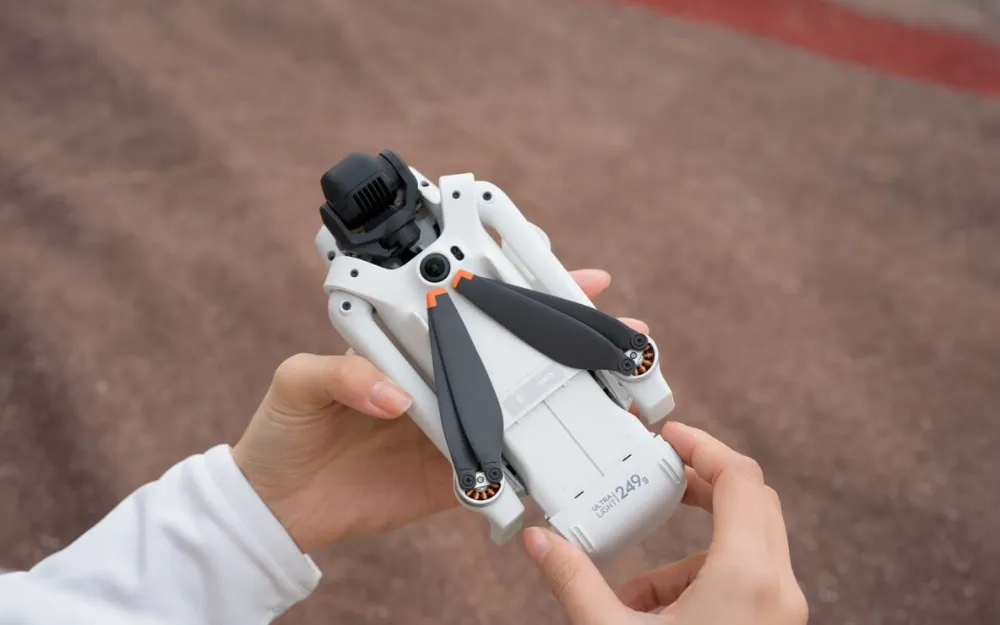
DJI Lito 1 · Image: DJI
The DJI Lito 1 takes many of the strengths of the Mini 3 and adds features that the Mini 3 lacks, especially omnidirectional obstacle sensing and newer O4 transmission.
It is faster than the Mini 3 and adds more advanced tracking and obstacle detection while maintaining a compact sub-249 g design.
Key Features
- Weight: Under 249 g
- Max Speed: 64.8 km/h in Sport mode
- Flight Time: Up to 36 minutes
- Plus Battery: Up to 52 minutes
- Camera: 1/2-inch CMOS, 48 MP
- Video: Up to 4K/60fps
- Slow Motion: 4K/100fps
- Gimbal: 3-axis mechanical
- Transmission: O4
- Internal Storage: None
- Obstacle Avoidance: Omnidirectional
- Tracking: ActiveTrack
- Vertical Shooting: Yes
- RAW Photos: Yes
- MicroSD: Required
- Photos: Up to 8K
Who it's for: Anyone considering a Mini 3 who wants modern obstacle sensing, faster flight and newer transmission technology.
Potential Downsides to Consider
- No internal storage — a microSD card is required.
- Smaller 1/2-inch sensor than the Lito X1 and Mini 5 Pro.
- Digital zoom quality deteriorates noticeably at higher magnification.
- The Plus battery takes the drone above the sub-249 g class.
DJI Lito X1: A Newer Mini 4 Pro, and Better
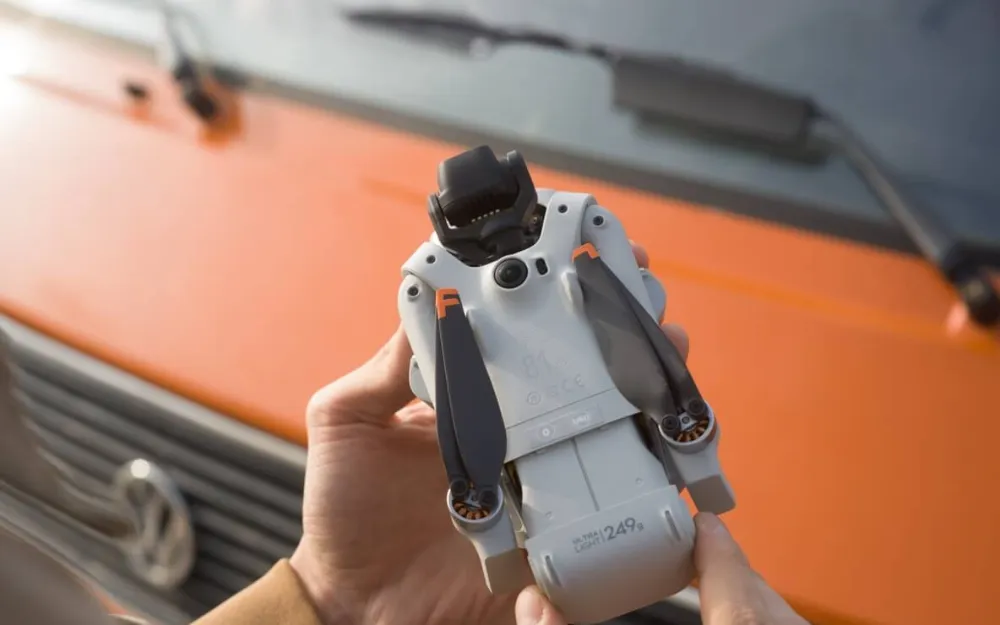
DJI Lito X1 · Image: DJI
The DJI Lito X1 is a premium lightweight camera drone with a 1/1.3-inch sensor, O4 transmission, 10-bit D-Log M and advanced obstacle sensing.
It also adds forward-facing LiDAR and 42 GB of internal storage, making it one of the most feature-packed drones in its class.
Key Features
- Weight: Under 249 g
- Max Speed: 64.8 km/h in Sport mode
- Flight Time: Up to 36 minutes
- Plus Battery: Up to 52 minutes
- Camera: 1/1.3-inch CMOS
- Video: Up to 4K/60fps HDR
- Slow Motion: Up to 4K/100fps
- Gimbal: 3-axis mechanical
- Transmission: O4
- Internal Storage: 42 GB
- Obstacle Avoidance: Omnidirectional
- LiDAR: Forward-facing
- Color: 10-bit D-Log M
- RAW Photos: Yes
- Vertical Shooting: 2.7K
- Tracking: ActiveTrack
Who it's for: Creators who want professional-style features, advanced obstacle sensing and high image quality in a compact drone.
Potential Downsides to Consider
- Vertical shooting is limited to 2.7K.
DJI Mini 2: The Classic Entry-Level Drone
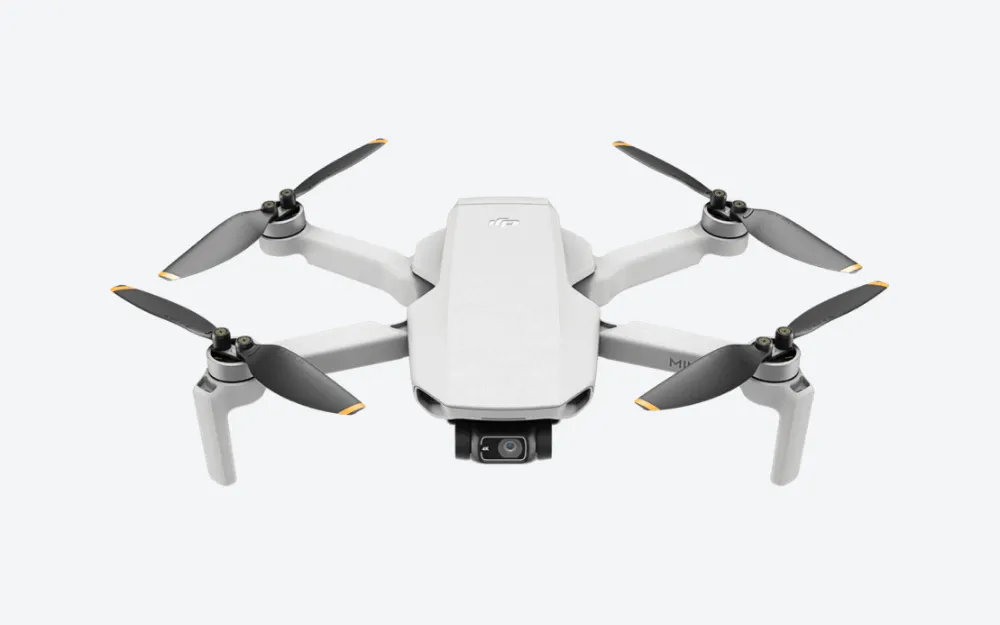
DJI Mini 2 · Image: DJI
The DJI Mini 2 was one of the drones that established the modern DJI Mini category. It remains capable of 4K video while weighing only 242 g.
Key Features
- Weight: 242 g
- Max Speed: 57.6 km/h in Sport mode
- Flight Time: Up to 31 minutes
- Camera: 1/2.3-inch CMOS, 12 MP
- Video: Up to 4K/30fps
- Gimbal: 3-axis mechanical
- Transmission: O2
- Internal Storage: None
- Obstacle Avoidance: No
- Wind Resistance: Level 5
- QuickShots: Yes
- RAW Photos: Yes
- MicroSD: Required
Who it's for: Buyers on a budget who want a proven DJI drone with 4K video.
Potential Downsides to Consider
- No obstacle avoidance sensors, so you need to be extra careful in tight spaces.
- Older O2 transmission compared with newer O4 drones.
- Older hardware and software platform than current Mini models.
- No internal storage.
- Some users report connection issues even at relatively short distances.
DJI Mini 2 SE & Mini 4K: Essentially the Same Drone
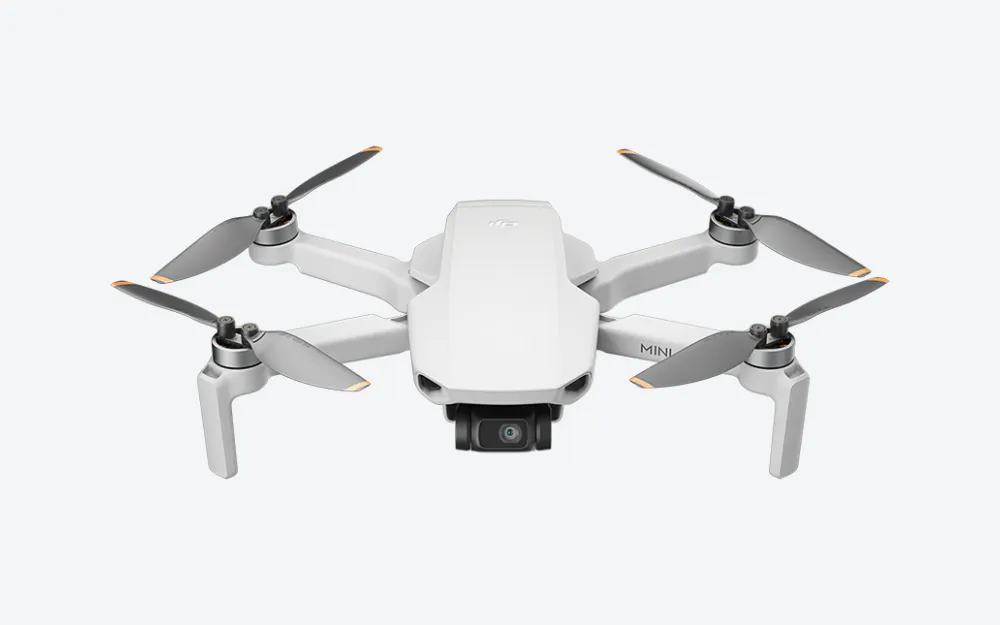
DJI Mini 2 SE and Mini 4K · Image: DJI
The DJI Mini 2 SE and DJI Mini 4K are essentially the same drone platform.
The Mini 4K is best thought of as the 4K version of the Mini 2 SE, rather than a completely new generation. They use the same basic aircraft, camera sensor, 3-axis gimbal, O2 transmission and battery system.
Key Features
- Weight: 246 g
- Max Speed: 57.6 km/h in Sport mode
- Flight Time: Up to 31 minutes
- Camera: 1/2.3-inch CMOS, 12 MP
- Gimbal: 3-axis mechanical
- Transmission: O2
- Internal Storage: None
- Obstacle Avoidance: No
- MicroSD: Required
- Mini 2 SE Video: Up to 2.7K/30fps
- Mini 4K Video: Up to 4K/30fps
- Mini 4K Bitrate: Up to 100 Mbps
Who it's for: Beginners looking for an affordable traditional DJI camera drone.
Potential Downsides to Consider
- No obstacle avoidance.
- Older O2 transmission.
- 1/2.3-inch sensor is noticeably smaller than the sensor in the Mini 3 and newer models.
- No internal storage.
- The Mini 2 SE is limited to 2.7K, making the Mini 4K the better choice when the price difference is small.
- Both models lack the advanced tracking and sensing available on newer DJI drones.
- Limited range in difficult environments compared with newer O4 models.
Bottom Line
The Mini 4K is essentially a rebranded Mini 2 SE with 4K video capability. It should therefore be considered part of the same platform rather than a completely separate generation.
DJI Mini 3: The Long-Flight Mini
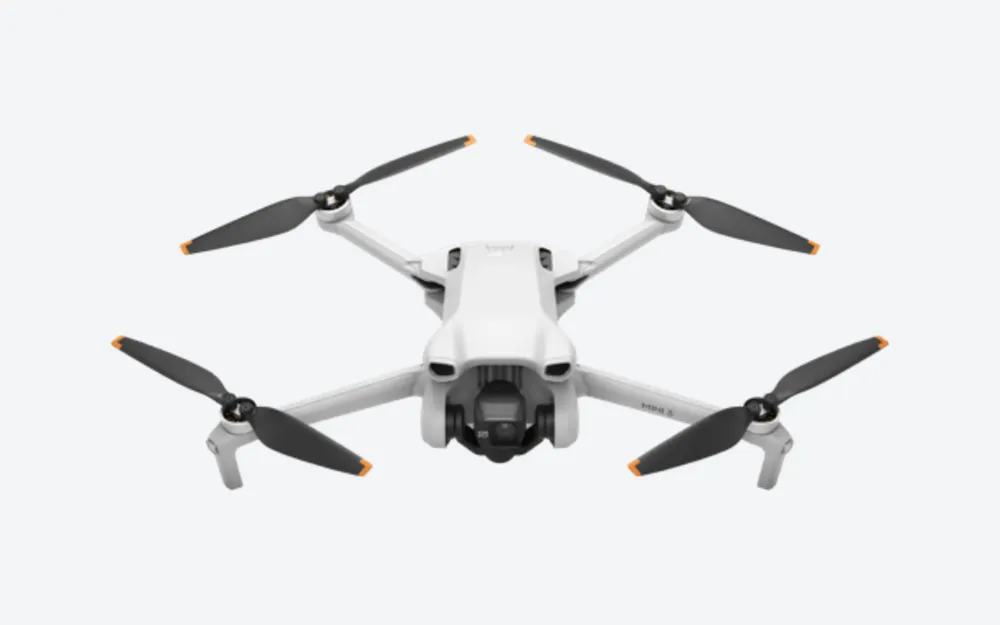
DJI Mini 3 · Image: DJI
The DJI Mini 3 stands out for its impressive battery life and excellent image quality in a lightweight package.
With the standard battery, it can fly for up to 38 minutes, while the Plus battery extends this to 51 minutes.
Key Features
- Weight: 248 g
- Max Speed: 57.6 km/h in Sport mode
- Flight Time: Up to 38 minutes
- Plus Battery: Up to 51 minutes
- Camera: 1/1.3-inch CMOS, 48 MP
- Video: Up to 4K HDR
- Gimbal: 3-axis mechanical
- Transmission: O2
- Internal Storage: None
- Obstacle Avoidance: No
- Vertical Shooting: Yes
- RAW Photos: Yes
- MicroSD: Required
Who it's for: Pilots who prioritize flight time, portability and good image quality.
Potential Downsides to Consider
- No obstacle avoidance sensors — this is the biggest limitation compared with the Mini 3 Pro.
- Drifts in a light breeze — its low weight can make it less stable in windy conditions.
- No 4K/60fps or D-Cinelike colour — video options are more limited than the Pro and newer Mini models.
- Older O2 transmission — newer O4 drones offer a significant improvement in connectivity and interference resistance.
- No Follow Me function — the Mini 3 does not have ActiveTrack.
- No internal storage — a microSD card is required.
DJI Mini 3 Pro: The Advanced Mini
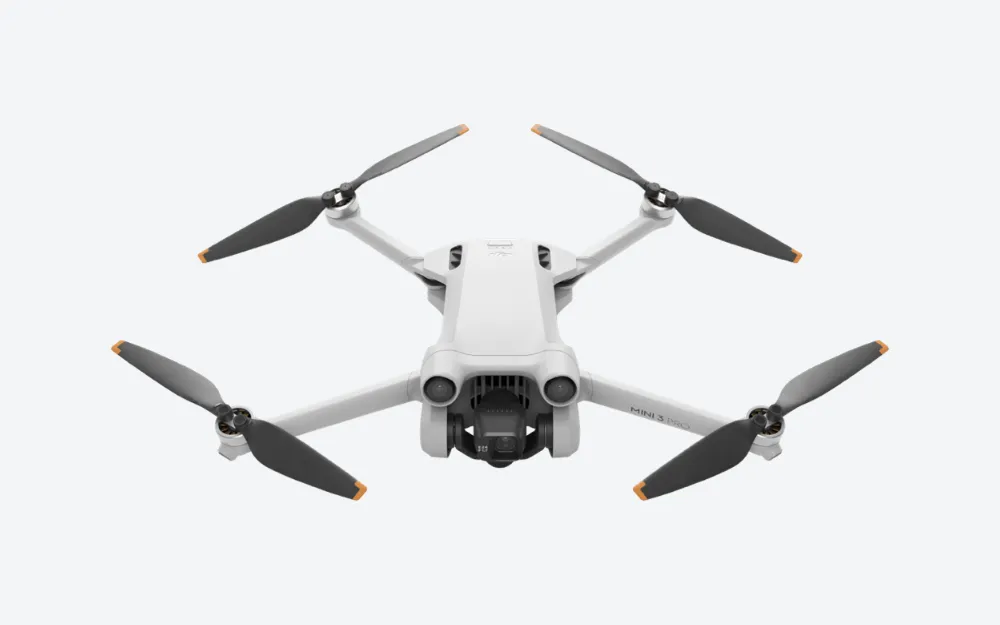
DJI Mini 3 Pro · Image: DJI
The DJI Mini 3 Pro introduced obstacle sensing, 4K/60fps video and O3 transmission to the Mini series while keeping the aircraft below 249 g with the standard battery.
Key Features
- Weight: 249 g
- Max Speed: 57.6 km/h in Sport mode
- Flight Time: Up to 34 minutes
- Plus Battery: Up to 47 minutes
- Camera: 1/1.3-inch CMOS, 48 MP
- Video: Up to 4K/60fps
- Gimbal: 3-axis mechanical
- Transmission: O3
- Internal Storage: 1.2 GB
- Obstacle Sensing: Forward, backward and downward
- Vertical Shooting: Yes
- RAW Photos: Yes
- D-Cinelike: Yes
- ActiveTrack: Yes
Who it's for: Beginners and experienced pilots who want a more advanced Mini with obstacle sensing and smarter flight features.
Potential Downsides to Consider
- 48 MP photo mode is sluggish — there is no burst or auto-bracketing, and saving high-resolution photos can take time.
- No side obstacle sensors — obstacle avoidance does not cover every direction
- Limited range compared with newer DJI drones.
- Older O3 transmission compared with the O4 systems on newer Mini models.
DJI Mini 4 Pro: The Complete Mini
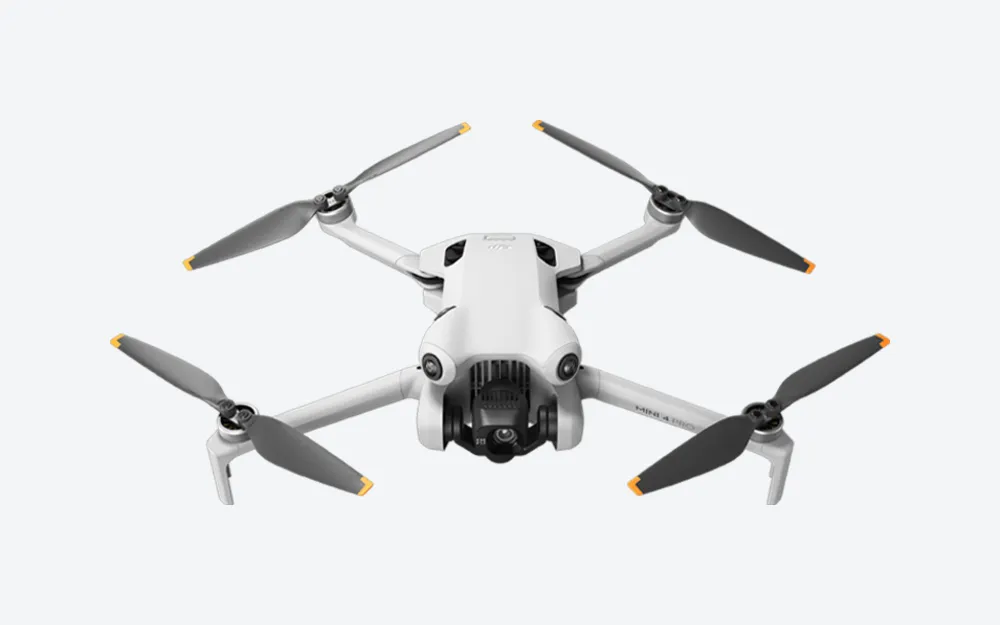
DJI Mini 4 Pro · Image: DJI
The DJI Mini 4 Pro was one of DJI's most complete lightweight drones, combining a 1/1.3-inch sensor with omnidirectional obstacle sensing, O4 transmission and advanced tracking.
Key Features
- Weight: Under 249 g
- Max Speed: 57.6 km/h in Sport mode
- Flight Time: Up to 34 minutes
- Plus Battery: Up to 45 minutes
- Camera: 1/1.3-inch CMOS, 48 MP
- Video: Up to 4K/60fps HDR
- Slow Motion: Up to 4K/100fps
- Gimbal: 3-axis mechanical
- Transmission: O4
- Internal Storage: 2 GB
- Obstacle Avoidance: Omnidirectional
- Vertical Shooting: Yes
- RAW Photos: Yes
- 10-bit D-Log M: Yes
- ActiveTrack 360°: Yes
Who it's for: Content creators who want an excellent combination of portability, camera quality, obstacle sensing and intelligent flight features.
Potential Downsides to Consider
- Discontinued and superseded by newer models, and new sealed units are becoming hard to find.
DJI Mini 5 Pro: The Professional Mini
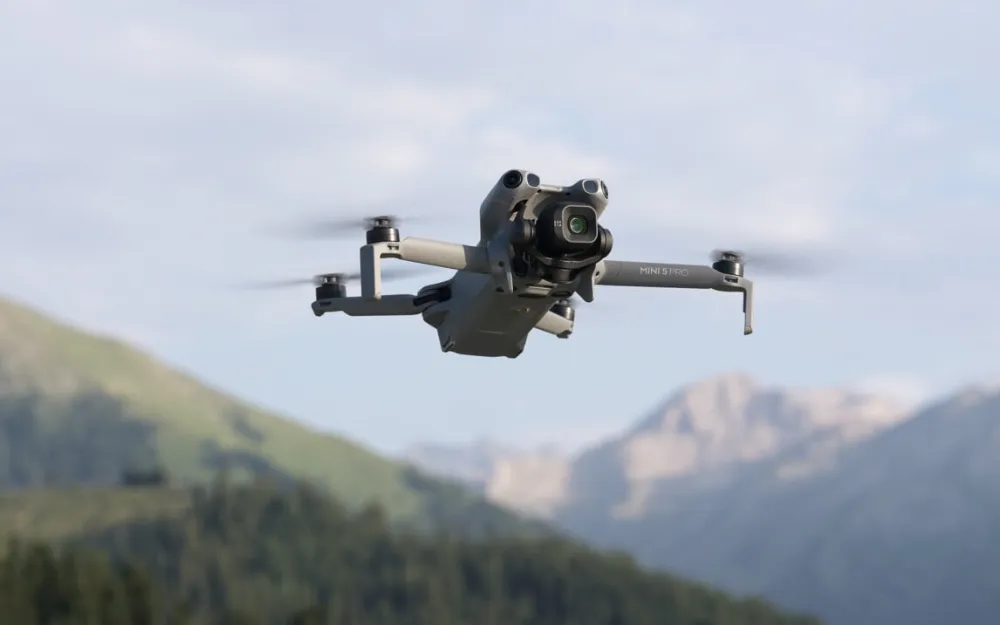
DJI Mini 5 Pro · Image: DJI
The DJI Mini 5 Pro is the biggest camera upgrade the Mini series has received, introducing a 1-inch CMOS sensor while keeping the aircraft around the 250 g mark.
It combines flagship-style image quality with advanced obstacle sensing, LiDAR and O4+ transmission.
Key Features
- Weight: 249.9 g
- Max Speed: 64.8 km/h in Sport mode
- Flight Time: 36 minutes
- Plus Battery: Up to 52 minutes
- Camera: 1-inch CMOS, 50 MP
- Aperture: f/1.8
- Video: Up to 4K/60fps HDR
- Slow Motion: 4K/120fps
- Gimbal: 3-axis mechanical
- Transmission: O4+
- Internal Storage: 42 GB
- Obstacle Avoidance: Nightscape omnidirectional
- LiDAR: Forward-facing
- Color: 10-bit D-Log M
- Vertical Shooting: Yes
- Tracking: ActiveTrack 360°
- Propellers: Quick-release
Who it's for: Professional photographers, videographers and creators who want the best possible image quality from a compact Mini-class drone.
⚠️ Known Issue Alert — Propeller Mounting System
The Mini 5 Pro introduced a new quick-release propeller mounting system, which is easier to use but has been linked to reports of propellers detaching during flight.
Multiple users have reported sudden crashes where a propeller detached, causing the drone to lose stability and fall from the sky. In some cases, warnings such as "Motor Overloaded" or "Propulsion System Error" appeared before the crash.
DJI advises owners to inspect the propellers before every flight and make sure the propellers and motors are properly secured.
Potential Downsides to Consider
- Reported propeller detachment incidents with the new quick-release system.
- Repairs can be expensive because of the advanced camera, sensing and gimbal systems.
DJI Avata: Your First FPV Drone
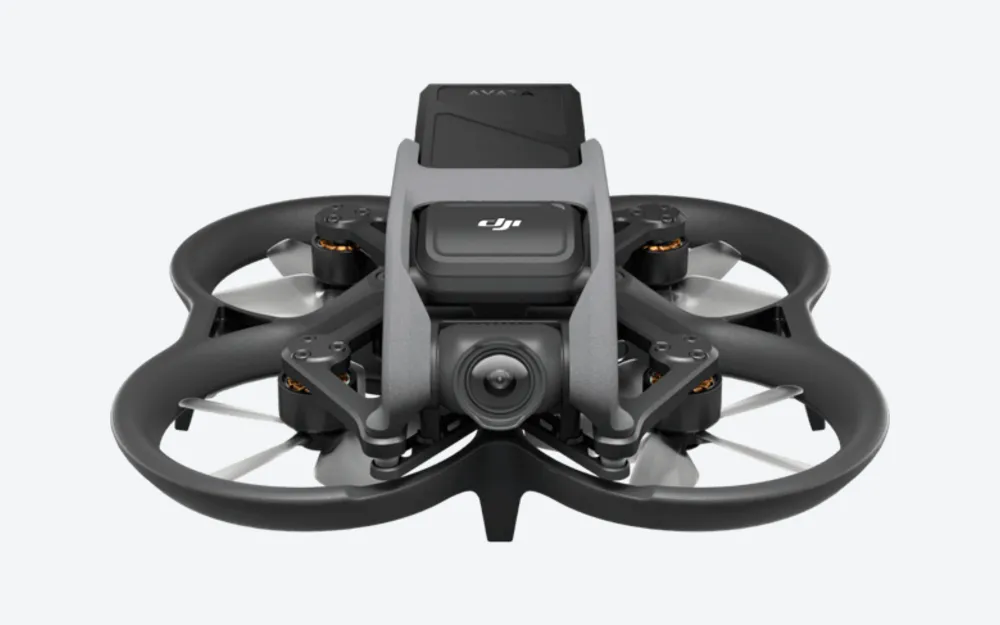
DJI Avata · Image: DJI
The DJI Avata is DJI's beginner-friendly FPV drone, combining a protected ducted design with immersive goggles and dedicated FPV controls.
Key Features
- Weight: 410 g
- Max Speed: 50.4 km/h in Sport mode
- Manual Speed: Up to 97.2 km/h
- Flight Time: 18 minutes
- Camera: 1/1.7-inch CMOS, 12 MP
- Video: Up to 4K/60fps
- Gimbal: Single-axis mechanical
- Transmission: O3+
- Internal Storage: 20 GB
- FPV: Yes
- Manual Mode: Yes
- Propeller Protection: Integrated ducts
- RockSteady: Yes
- HorizonSteady: Yes
Who it's for: FPV beginners who want an easier entry into FPV without building a custom drone.
Potential Downsides to Consider
- Signal issues have been reported by some users.
- Smaller sensor than the Avata 2.
- No HDR.
- Shorter flight time than the Avata 2.
DJI Avata 2: The FPV Upgrade
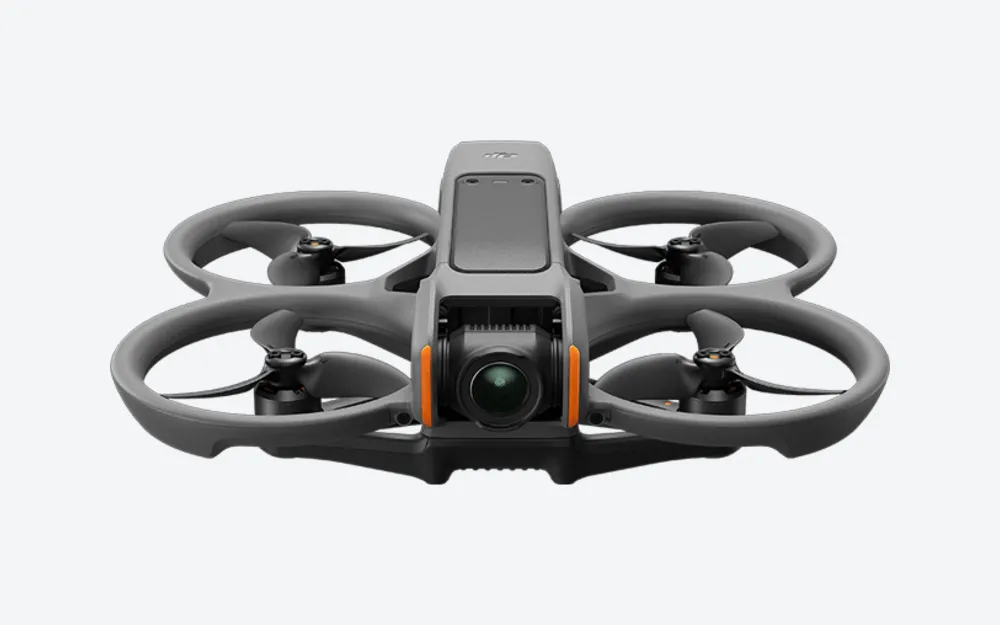
DJI Avata 2 · Image: DJI
The DJI Avata 2 improves on the original with a larger sensor, longer flight time, O4 transmission and better video capabilities.
Key Features
- Weight: 377 g
- Max Speed: 57.6 km/h in Sport mode
- Manual Speed: Up to 97.2 km/h
- Flight Time: 23 minutes
- Camera: 1/1.3-inch CMOS
- Video: Up to 4K/60fps
- HDR: 4K/60fps HDR
- Color: 10-bit D-Log M
- Gimbal: Single-axis mechanical
- Transmission: O4
- Internal Storage: 46 GB
- FPV: Yes
- Manual Mode: Yes
- Motion Control: DJI RC Motion 3
- Propeller Protection: Integrated ducts
Who it's for: FPV enthusiasts and beginners who want immersive flight with better image quality and flight time than the original Avata.
Potential Downsides to Consider
- Battery life is questionable in real-world FPV flying.
- Doesn't support fast charging.
- Full Manual mode requires the DJI FPV Remote Controller 3.
- No conventional omnidirectional obstacle avoidance.
DJI Avata 360: The 360° FPV Experience
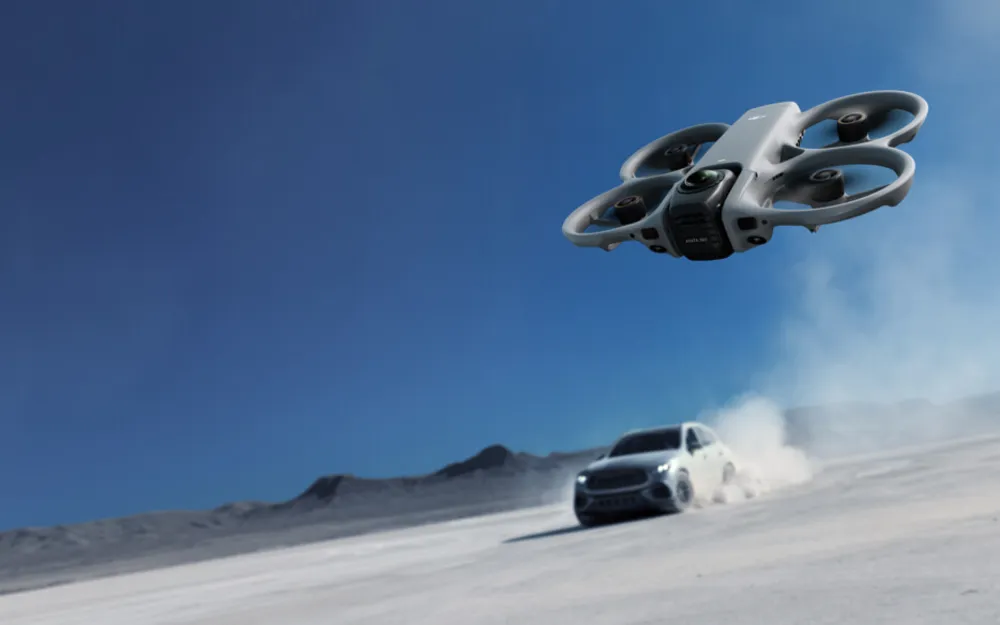
DJI Avata 360 · Image: DJI
The DJI Avata 360 takes the FPV concept in a completely different direction with dual cameras designed for immersive 360-degree capture.
It is aimed at creators who want to reframe their shots after the flight rather than framing everything in the air.
Key Features
- Weight: 455 g
- Max Speed: 36 km/h
- Flight Time: 23 minutes
- Camera: Dual 1/1.1-inch CMOS
- 360° Video: Up to 8K/60fps HDR
- Single-Lens Video: Up to 4K/60fps
- 360° Photos: Up to 120 MP
- Transmission: O4+
- Internal Storage: 42 GB
- Obstacle Sensing: Nightscape omnidirectional
- 360° Capture: Yes
Who it's for: Creators who want immersive 360-degree footage and the ability to choose the framing later.
Potential Downsides to Consider
- 360° footage requires more post-production and reframing.
- Reframing can be time-consuming, especially for beginners.
- Short flight time.
- Landing navigation can be less precise than on traditional camera drones.
- Low-light performance is limited, with noticeable noise in darker scenes.
- No conventional full Manual/Acro experience at launch.
DJI Air 2S: The 1-Inch Sensor Classic
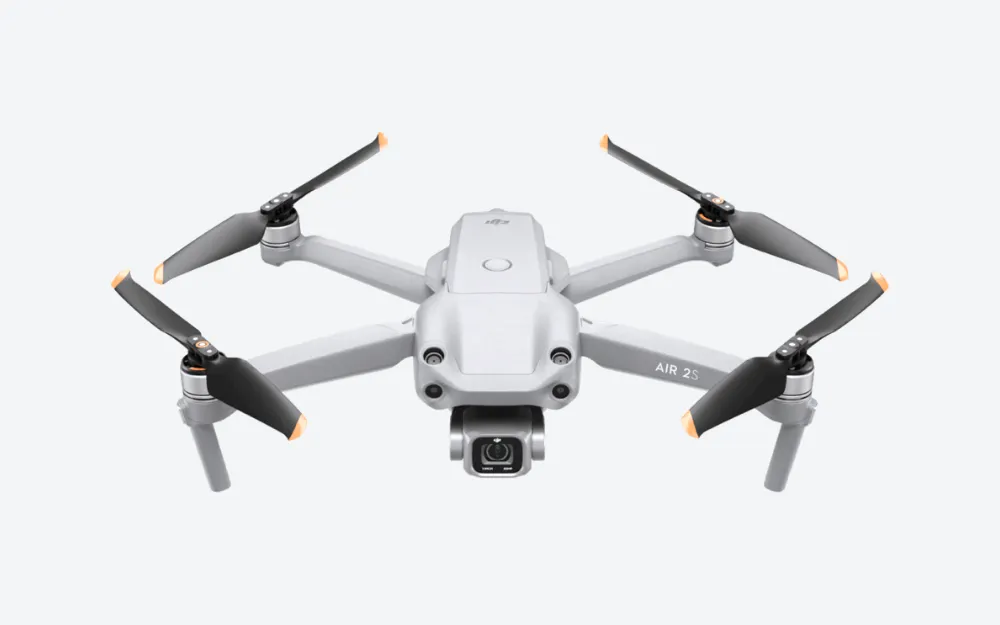
DJI Air 2S · Image: DJI
The DJI Air 2S was a major step forward for the Air series when it launched, offering a 1-inch sensor and 5.4K video in a relatively compact body.
Key Features
- Weight: 595 g
- Max Speed: 68.4 km/h
- Flight Time: Up to 31 minutes
- Camera: 1-inch CMOS, 20 MP
- Video: Up to 5.4K/30fps
- 4K: Up to 4K/60fps
- Gimbal: 3-axis mechanical
- Transmission: O3
- Internal Storage: 8 GB
- Obstacle Sensing: Forward, backward, upward and downward
- RAW Photos: Yes
- D-Log: Yes
- Fixed Aperture: f/2.8
Who it's for: Pilots who want a 1-inch camera sensor without moving all the way up to a Mavic.
Potential Downsides to Consider
- Connection issues have been reported by some users.
- Older O3 transmission compared with newer O4 drones.
- Fixed aperture limits creative control in changing lighting conditions.
- Soft or blurry edges have been reported on some units.
- Heavier and less portable than all Mini-series drones.
DJI Air 3: The Dual-Camera Travel Drone
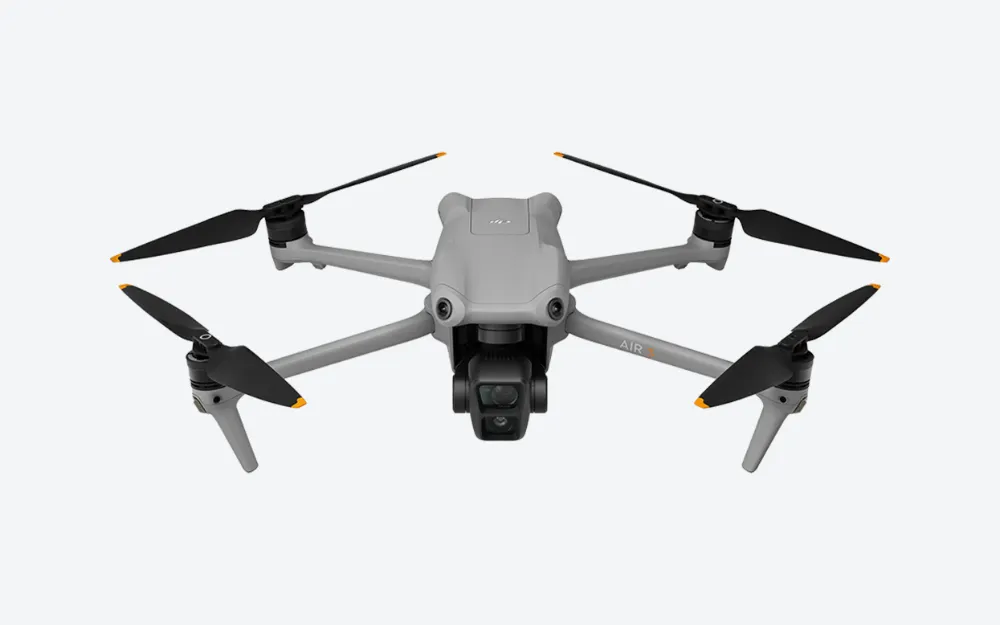
DJI Air 3 · Image: DJI
The DJI Air 3 introduced a dual-camera system to the Air series, combining a wide-angle camera with a 3× medium-tele camera.
Its 46-minute flight time and omnidirectional obstacle sensing make it particularly useful for travel and outdoor filming.
Key Features
- Weight: 720 g
- Max Speed: 75.6 km/h
- Flight Time: 46 minutes
- Wide Camera: 1/1.3-inch CMOS, 48 MP
- Medium Tele Camera: 1/1.3-inch CMOS, 48 MP
- Video: Up to 4K/60fps HDR
- Slow Motion: 4K/100fps
- Gimbal: 3-axis mechanical
- Transmission: O4
- Internal Storage: 8 GB
- Obstacle Sensing: Omnidirectional
- RAW Photos: Yes
- 10-bit D-Log M: Yes
Who it's for: Travelers and creators who want two useful focal lengths without moving all the way up to the Mavic series.
Potential Downsides to Consider
- Larger and less portable than the Mini series.
DJI Air 3S: The Nightscape Pro
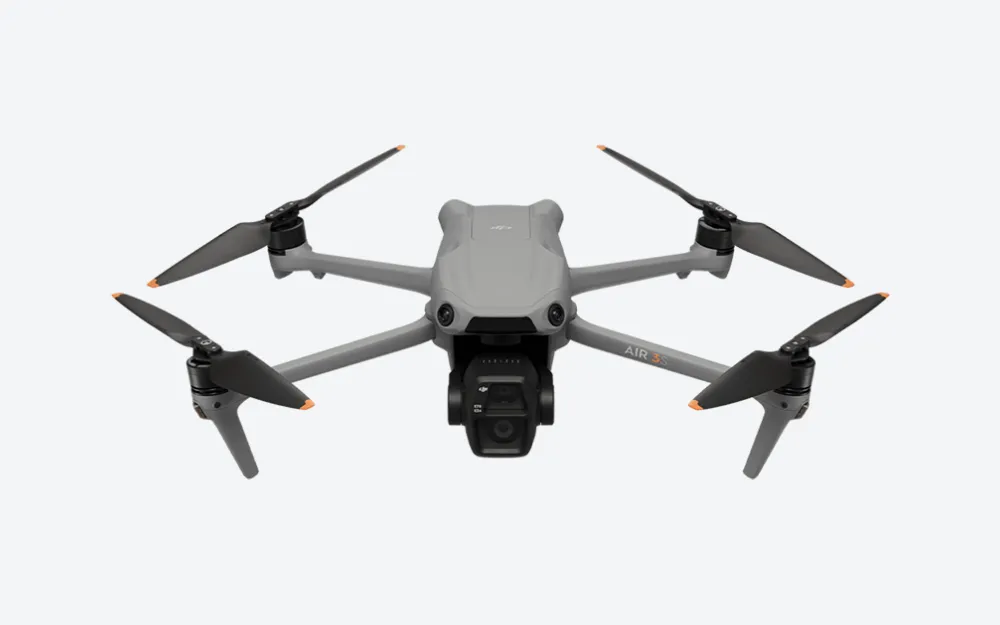
DJI Air 3S · Image: DJI
The DJI Air 3S improves on the Air 3 with a 1-inch primary camera, making it particularly strong for low-light photography and video.
It also adds forward-facing LiDAR and increased internal storage.
Key Features
- Weight: 724 g
- Max Speed: 75.6 km/h
- Flight Time: 45 minutes
- Primary Camera: 1-inch CMOS, 50 MP
- Medium Tele Camera: 1/1.3-inch CMOS, 48 MP
- Video: Up to 4K/60fps HDR
- Slow Motion: Up to 4K/120fps
- Gimbal: 3-axis mechanical
- Transmission: O4
- Internal Storage: 42 GB
- Obstacle Sensing: Nightscape omnidirectional
- LiDAR: Forward-facing
- RAW Photos: Yes
- 10-bit D-Log M: Yes
- Vertical Shooting: Supported
Who it's for: Professional travelers, photographers and creators who want excellent low-light performance and two useful cameras.
Potential Downsides to Consider
- Significantly larger and heavier than the Mini series.
- More expensive than the Air 3.
DJI Mavic 3: The Flagship
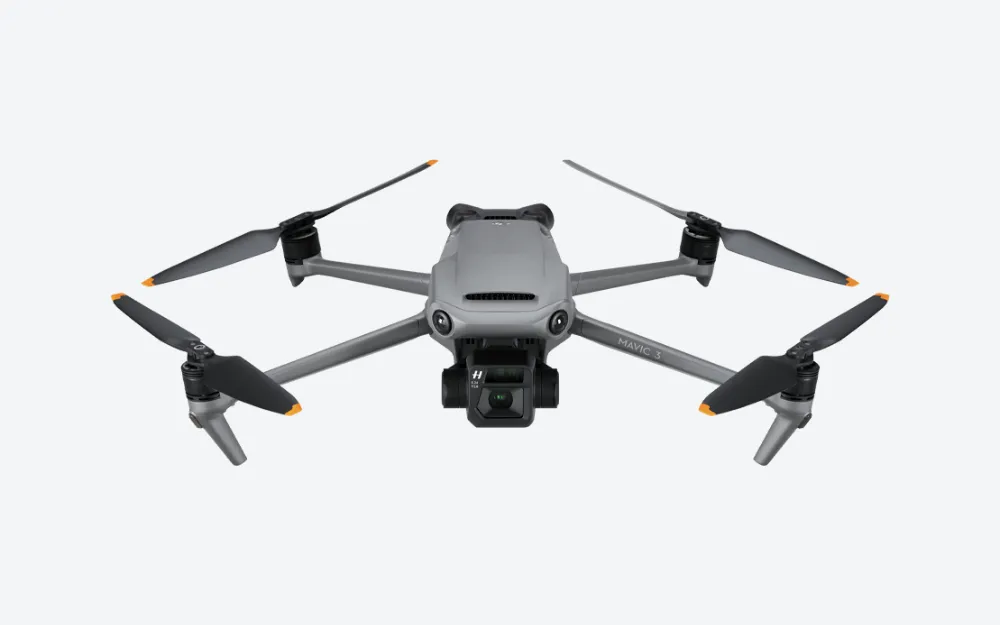
DJI Mavic 3 · Image: DJI
The DJI Mavic 3 brought a large 4/3-inch Hasselblad camera to DJI's flagship consumer lineup.
It also introduced a secondary telephoto camera, giving users two different perspectives from one aircraft.
Key Features
- Weight: 895 g
- Max Speed: 75.6 km/h
- Flight Time: 46 minutes
- Main Camera: 4/3-inch Hasselblad, 20 MP
- Tele Camera: 1/2-inch
- Main Video: Up to 5.1K/50fps
- 4K: Up to 4K/120fps
- Gimbal: 3-axis mechanical
- Transmission: O3+
- Internal Storage: 8 GB
- Obstacle Sensing: Omnidirectional
- RAW: Yes on the main camera
- Aperture: f/2.8-f/11 on Hasselblad camera
Who it's for: Professional photographers and filmmakers who prioritize image quality over portability.
Potential Downsides to Consider
- No RAW from the telephoto camera — limiting editing flexibility.
- Large and heavy compared with Air and Mini drones.
DJI Mavic 3 Classic: The Streamlined Flagship
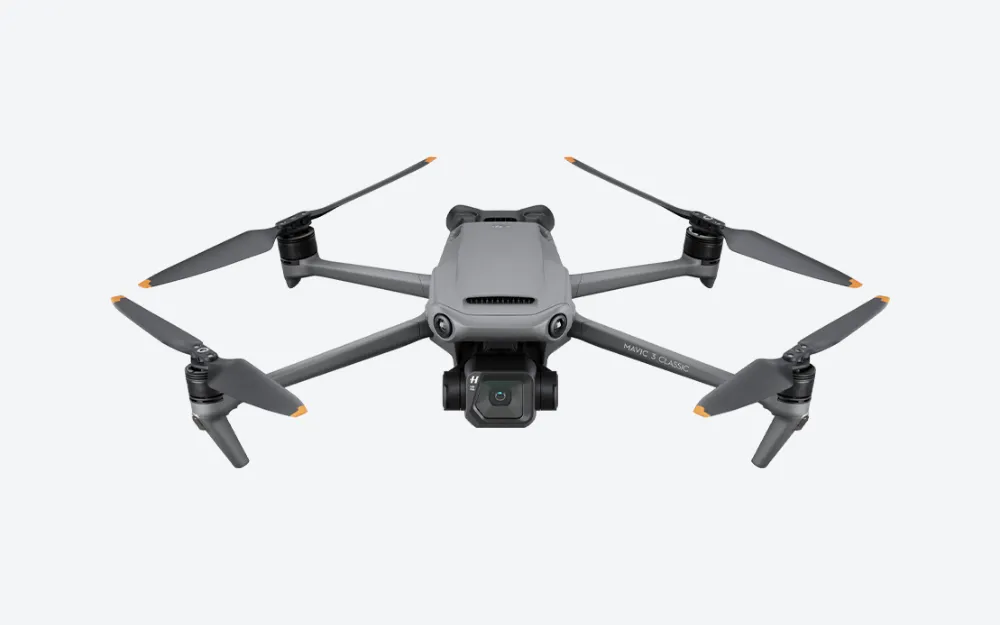
DJI Mavic 3 Classic · Image: DJI
The DJI Mavic 3 Classic keeps the Mavic 3's excellent 4/3-inch Hasselblad camera but removes the secondary telephoto camera.
It is designed for users who want the large main sensor without paying for a second camera they may not need.
Key Features
- Weight: 895 g
- Max Speed: 75.6 km/h
- Flight Time: 46 minutes
- Camera: 4/3-inch Hasselblad, 20 MP
- Video: Up to 5.1K/50fps
- 4K: Up to 4K/120fps
- Gimbal: 3-axis mechanical
- Transmission: O3+
- Internal Storage: 8 GB
- Obstacle Sensing: Omnidirectional
- RAW Photos: Yes
- Aperture: f/2.8-f/11
- D-Log / HLG: Yes
Who it's for: Professionals who want flagship image quality without needing the Mavic 3's telephoto camera.
Potential Downsides to Consider
- The DJI RC controller increases the price if it is not included in the package.
- Much larger and heavier than the Air and Mini series.
DJI Mavic 4 Pro: The Ultimate Flagship
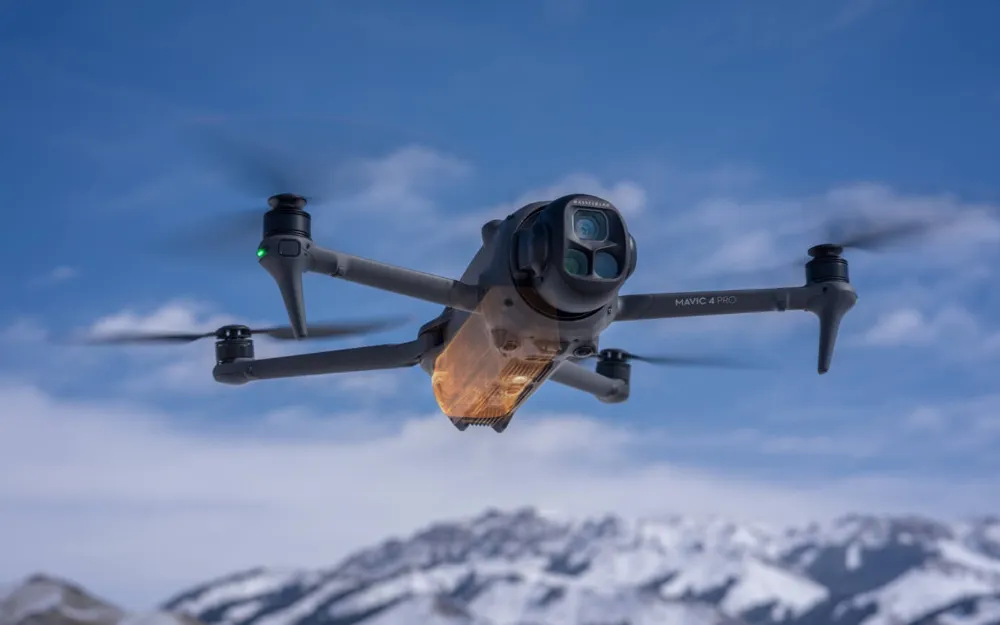
DJI Mavic 4 Pro · Image: DJI
The DJI Mavic 4 Pro is DJI's flagship consumer camera drone.
It combines a 4/3-inch 100 MP Hasselblad main camera with two telephoto cameras, giving creators three different focal lengths in one aircraft.
Key Features
- Weight: Approx. 1063 g
- Max Speed: Up to 90 km/h
- Flight Time: Up to 51 minutes
- Main Camera: 4/3-inch 100 MP Hasselblad
- Medium Tele Camera: 1/1.3-inch
- Tele Camera: 1/1.5-inch
- Main Video: Up to 6K/60fps HDR
- Tele Video: Up to 4K/60fps
- Gimbal: Infinity Gimbal with 360° rotation
- Transmission: O4+
- Internal Storage: 64 GB
- Obstacle Sensing: Advanced Nightscape omnidirectional
- RAW Photos: Yes
- Professional Color Modes: Yes
Who it's for: Professional photographers, filmmakers and creators who want maximum image quality, camera flexibility and control.
Potential Downsides to Consider
- Large travel footprint.
- Expensive compared with the rest of DJI's lineup.
- More than most casual users need.
Final Thoughts
There is no single DJI drone that is perfect for everyone.
Explore our DJI lineup at DroneZoneLB.com.
Shop DJI drones and accessories in Lebanon
Drone Zone delivers DJI drones and accessories across Lebanon, with orders confirmed on WhatsApp. Browse all DJI drones for sale or pick your model: